Zhengzhou Yishang Machinery Equipment Co., Ltd.
Zhengzhou Yishang Machinery Equipment Co., Ltd.
Key Installation Considerations for Your 20-30 TPH Automatic Dry Mortar Mixing Plant
 2025-12-26
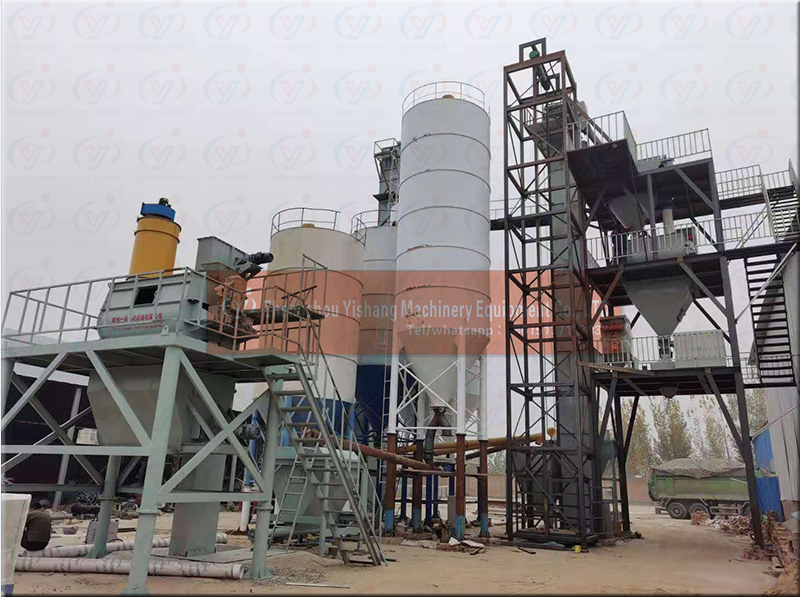
Proper installation is critical to ensuring the long-term performance, efficiency, and reliability of your automatic dry mortar mixing plant. As a leading supplier of high-capacity mixing solutions, we guide our clients through every step of the setup process. For a 20-30 tons per hour automatic dry mortar mixing plant.mp4, careful planning and execution during installation directly impact productivity and operational safety.
A solid, level foundation is non-negotiable for stable operation of your dry mortar mixing plant. The foundation must be designed to withstand the dynamic loads of the entire system—including heavy silos, the mixer, and conveyors—especially during the filling and discharging cycles. Ensure the site has proper drainage and is easily accessible for raw material delivery trucks and finished product dispatch.

Professional, supervised assembly is essential. Key components like the horizontal ribbon mixer or paddle mixer, screw conveyors, and elevator legs must be precisely aligned. Misalignment can cause premature wear, vibration, increased power consumption, and even mechanical failure, disrupting your 20-30 TPH output target.
The automatic dry mortar plant relies on a complex PLC-based control system. Installation must be performed by qualified electricians following the provided wiring diagrams. Proper grounding, secure cable routing, and protection against dust and moisture are crucial to prevent electrical faults and ensure the seamless automatic sequencing of batching, mixing, and packing.
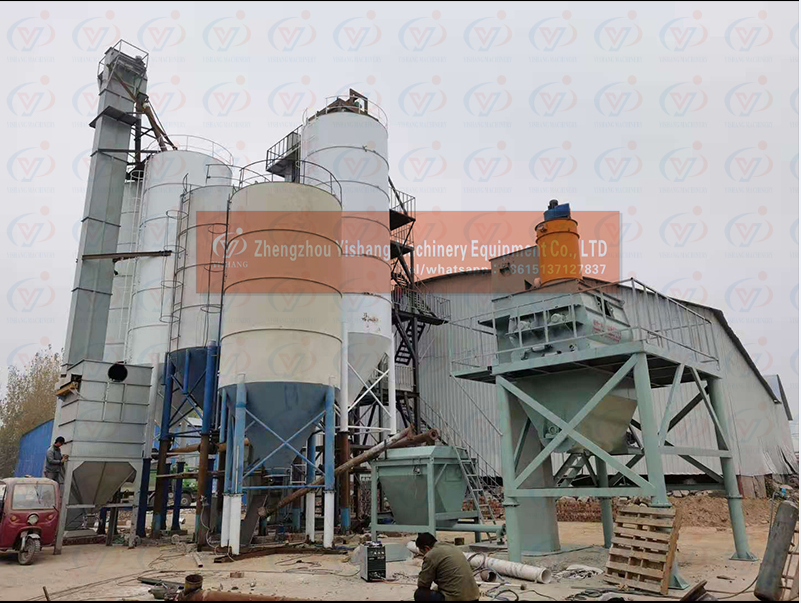
A key feature of a modern dry mortar production line is its closed-loop, dust-free design. The pulse-jet dust collector must be correctly installed with airtight ducting connections. This not only ensures environmental compliance and a clean workspace but also prevents material loss, protecting your profit margins.
Many functions in an automatic mixing plant, such as valve actuation and dust collector pulsing, depend on compressed air. Install an adequately sized, dry, and oil-free air compressor with a stable supply line. Consistent air pressure and quality are vital for the reliable operation of automated valves and actuators.
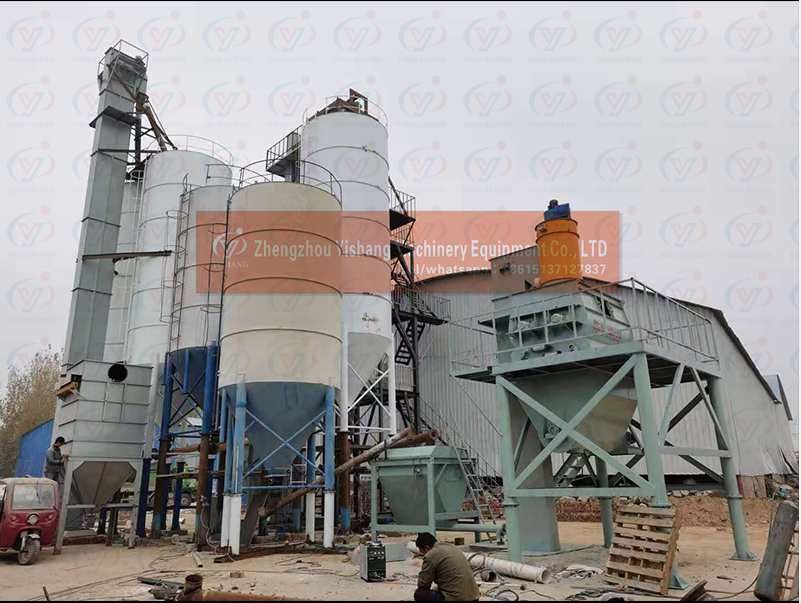
Once mechanically and electrically installed, the system requires meticulous calibration. This includes calibrating all load cells for the weighing hoppers and silos, and setting the precision feeders for micro-additives. Proper calibration is the final step that guarantees your plant delivers the specified 20-30 tons per hour with consistent, recipe-accurate product quality.
Installation is not complete without safety checks and operator training. Verify all safety guards, emergency stops, and alarm systems are functional. Comprehensive training for your team on the control system, routine maintenance, and troubleshooting empowers them to run the dry mortar mixing plant efficiently and safely from day one.

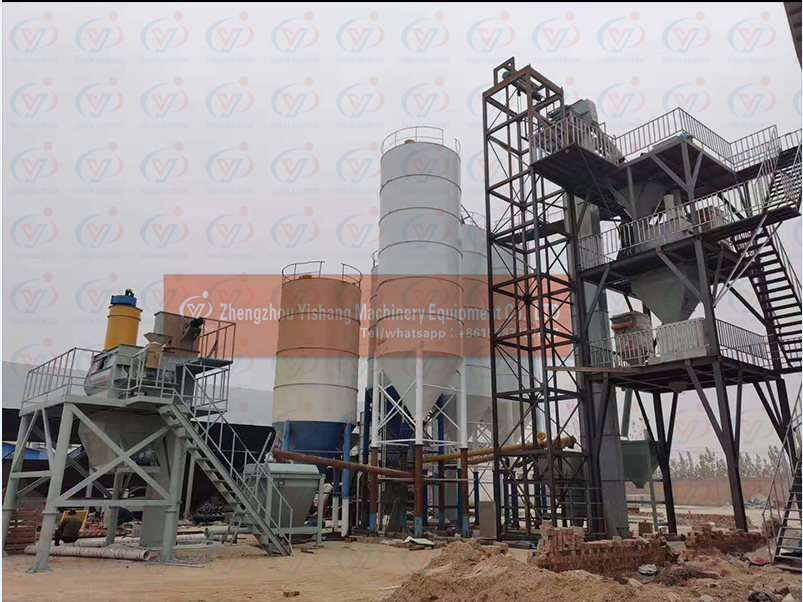
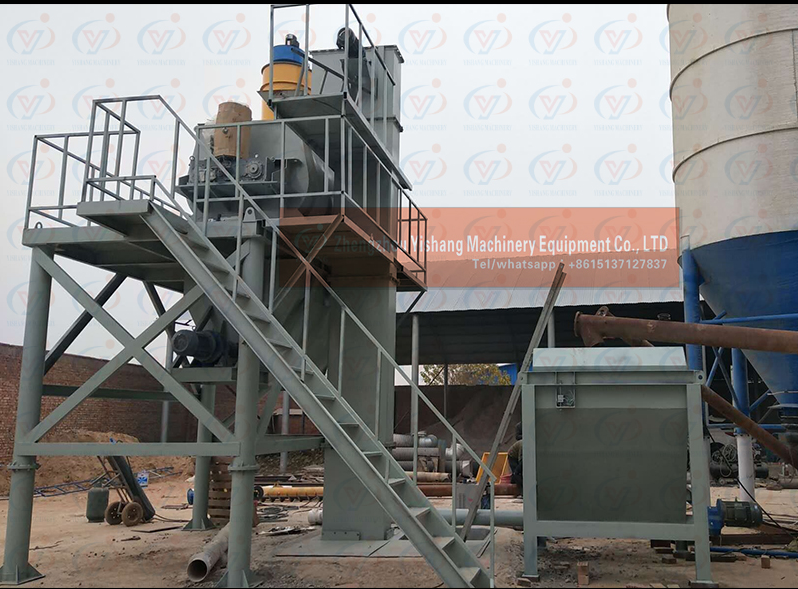
A successful installation transforms a collection of equipment into a high-performance production asset. By focusing on these critical considerations, you ensure your investment in a 20-30 TPH automatic dry mortar mixing plant delivers immediate and sustained returns through reliable, high-volume output.
Contact our project engineering team today for detailed installation guidelines and professional support to ensure your new plant is optimized for peak performance from the very first batch.

Whatsapp:++8615137127837
WechatID:+8615137127837
Email:[email protected]
Alibaba Store:
https://zzyishang.en.alibaba.com


 ++8615137127837
 +8615137127837

 Alibaba Store
